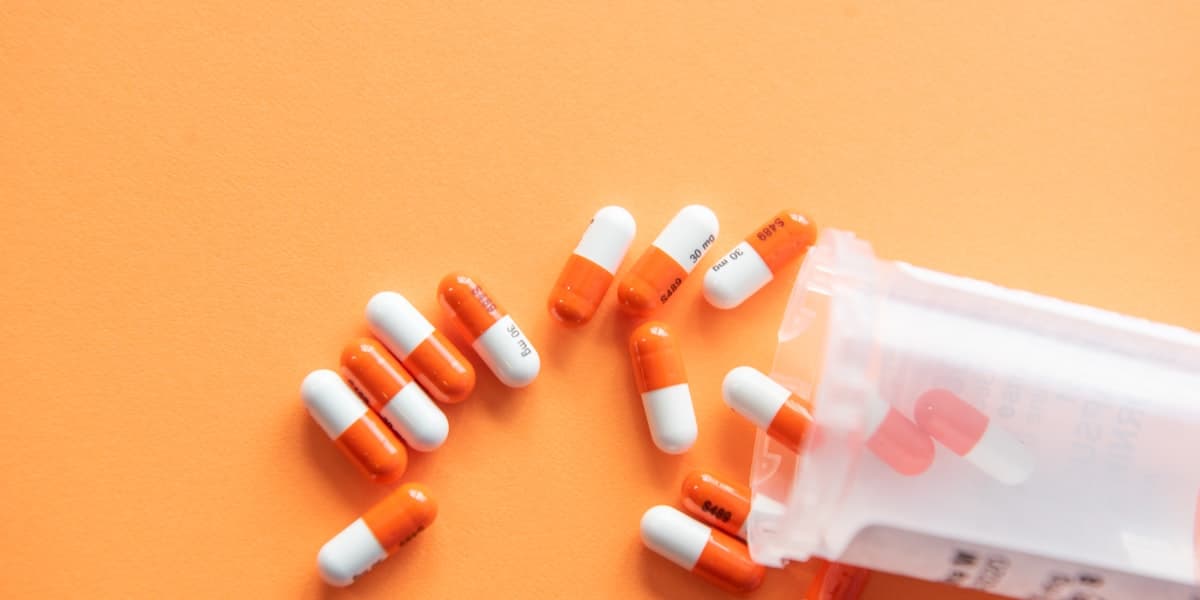

Compounded medications are custom-prepared by pharmacists to meet individual patient needs that commercial manufacturing cannot address. Whether it's a child who needs a liquid form of a tablet, an adult with an allergy to a common filler ingredient, or a pet that needs a flavored medication — compounding makes it possible.
What Is Drug Compounding?
Drug compounding is the practice of creating a customized medication for a patient. A licensed pharmacist combines, mixes, or alters ingredients to create a prescription tailored to the individual's specific needs. This process is regulated by state boards of pharmacy and follows strict quality standards.
Compounding is not about mass production — it's about precision. Every compounded medication is made for a specific patient with a specific need.
Who Benefits from Compounded Medications?
- Pediatric patients — Children often need medications in liquid, chewable, or flavored forms that aren't commercially available.
- Geriatric patients — Older adults may need lower doses or alternative delivery methods like transdermal creams.
- Patients with allergies — If you're allergic to dyes, gluten, lactose, or other common fillers, compounding removes the offending ingredient.
- Patients needing combination medications — Two or more medications can be combined into a single dose for convenience.
- Veterinary patients — Pets need flavored, sized, and dosed medications that commercial drugs don't provide.
Common Types of Compounded Medications
Compounded medications come in many forms:
- Topical creams and gels — Applied directly to the skin for localized treatment.
- Oral suspensions — Liquid forms of medications for patients who can't swallow pills.
- Transdermal preparations — Delivered through the skin for sustained, steady absorption.
- Suppositories — For patients who cannot take oral medications.
- Injectable preparations — Custom-dosed injectables for specific therapeutic needs.
Is Compounding Safe?
Yes — when performed by a licensed, accredited compounding pharmacy. At ExpressRx, our compounding lab follows USP <795> and <797> standards, uses pharmaceutical-grade ingredients, and undergoes regular quality testing. Every preparation is verified by a licensed pharmacist before dispensing.
How to Get a Compounded Medication
Ask your prescriber about compounded alternatives if you're struggling with commercial medications. Your doctor can write a prescription specifying the compounded formulation, and our pharmacists will work directly with them to ensure the preparation meets your exact needs.
Need a Custom Medication?
Our compounding team is ready to help. Call us at (614) 495-9097 or visit our pharmacy to discuss your needs.