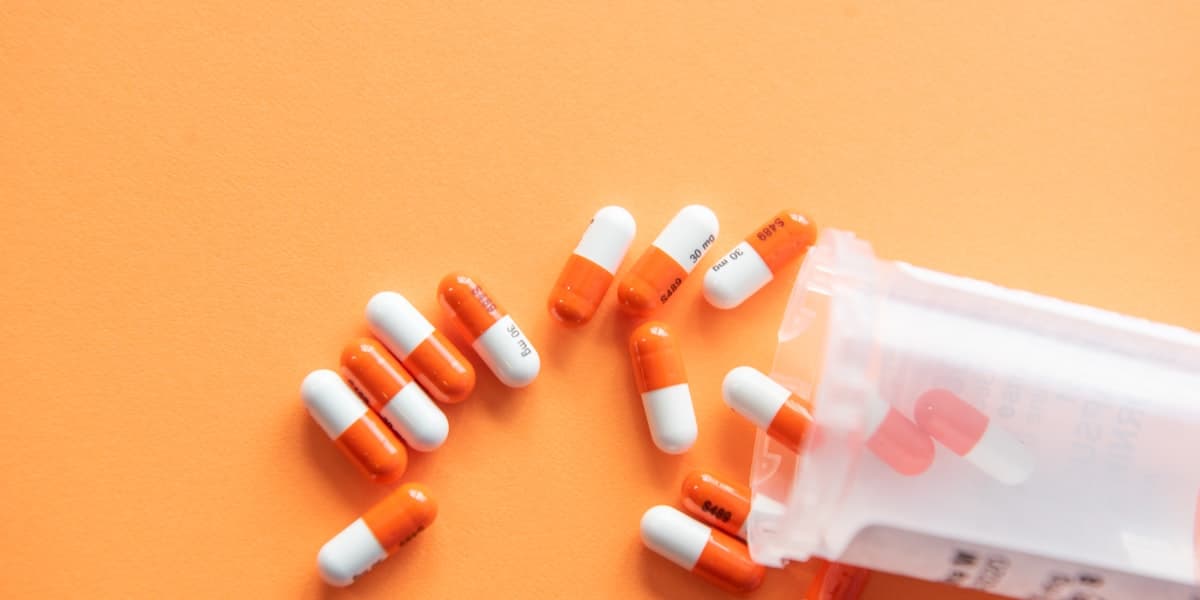

Running out of medication on vacation is almost always a scheduling failure, not a rule. Most plans will release a refill early when you tell the pharmacy you are traveling, prescriptions can be refilled a week or two before departure, and controlled medications only need the right authorization on file. The whole process takes one phone call — as long as you make it before you are already at the gate.
Here is the sequence that keeps a trip from turning into a pharmacy hunt in another state or country.
Step 1 — Ask for a vacation supply, two weeks out
Call your pharmacy one to two weeks before you leave and say three things: your travel dates, how long you will be gone, and where you are going (in-state, out-of-state, or out of the country). That gives everyone time to do their part:
- The pharmacy requests a vacation or travel override so your plan releases the refill early instead of rejecting it as too soon.
- Your plan checks the quantity against your benefit — most plans have a written travel provision for exactly this situation.
- Your prescriber adds refills if your prescription does not have enough left to cover the trip, which is the single most common reason a vacation supply falls short.
If a prior authorization is still pending for a newer medication, start even earlier — approvals are the slowest link in the chain (see how prior authorization works).
Step 2 — Understand the controlled-substance rules
Early refills of controlled prescriptions follow a stricter path. Beyond the plan's own threshold — many plans release a controlled refill once roughly three-quarters of the days' supply has elapsed — federal rules require your prescriber to have authorized an earlier supply on the original prescription. Ask your prescriber's office at the time the prescription is written whether vacation refills are authorized, not the night before you fly. Refills lost or destroyed are handled under a separate exception: contact the pharmacy and prescriber promptly so documentation can be filed.
Step 3 — Pack like it matters
- Original pharmacy-labeled bottles, in your carry-on. Never in checked baggage — luggage gets delayed, and refrigerated medications get ruined. The label also establishes that the medication is yours.
- Bring more than you need. Flights divert, trips extend. One extra week of supply is cheap insurance.
- Copy the prescription. A printed copy (or a photo of the label) with generic drug names makes replacement abroad far easier, and some destinations ask for it at customs.
- Check time zones. For once-daily medications, plan whether you shift the dose or keep the clock. Ask your pharmacist which approach fits your specific drug — some tolerate a shift, some do not.
- Refrigerated items: a soft cold pack with a thermometer, plus a doctor's note stating the storage requirement.
Step 4 — Flying with liquids, inhalers, and injectables
TSA's liquids rule has a medical exception: medically necessary liquids over 3.4 ounces — think insulin, liquid suspensions, irrigation solutions — are allowed through screening if you declare them. Keep them in carry-on and arrive a little earlier than you otherwise would. Devices such as CPAP machines and nebulizers do not count against your carry-on allotment (and if you travel with one, our DME guide covers the paperwork side).
Step 5 — Decide shipping versus carrying
Domestically: a pharmacy can ship to you in states where it is licensed to dispense, which is why delivery is useful for split trips — send the second half of your supply home while you are still away. Internationally: rules vary sharply by destination, and some countries prohibit or restrict importation of medications that are routine in the U.S. Verify before you fly; carrying a full trip's supply with documentation is usually the simplest compliant answer.
Leaving soon?
Call (614) 495-9097 with your travel dates and we will request the vacation override, check the remaining refills on your prescription, and get your supply ready — including delivery statewide if you would rather it meet you at home.
A sample timeline for a two-week trip
What "doing it right" looks like on a calendar:
- Two weeks out — one call. Tell the pharmacy your departure and return dates, where you are going, and your full medication list. The pharmacy checks remaining refills on each prescription and flags any that fall short of the trip before you assume they are fine.
- Ten days out — overrides requested, refills confirmed. Vacation overrides go to the plan; prescriber's offices get refill requests for anything short; prior authorizations still in flight are chased. Anything that needs an appeal starts here, not at T-minus two days.
- One week out — the supply arrives. Picked up or delivered, with a quick check that quantities and days' supply match your travel dates. Ask the pharmacist to sanity-check the count against your itinerary: eleven tablets for a fourteen-day trip is exactly the kind of thing nobody notices until day eleven.
- Two days out — destination check. If you are leaving the country, verify the destination's importation rules for your specific medications (some countries restrict common drugs like certain pain relievers and stimulants), and confirm refrigeration logistics if anything needs it.
- Day of travel — carry-on only. Original labeled bottles, prescription copy, medications and devices in your carry-on. Never checked luggage.
- While away — note the next due date. If a refill comes due during the trip, an early request from home (or a shipment to your return address) prevents the post-vacation scramble.
State lines, borders, and the details that differ
- Out-of-state fills. A prescription written in one state can usually be filled in another, but pharmacies vary in what they accept — especially for controlled medications. Call ahead with the prescription details rather than discovering the policy at the counter.
- Flying with controlled medications. Same rules as everything else: original pharmacy-labeled container, in carry-on, with the prescription or prescriber's contact information available. Label and prescription must match, and they will.
- International destinations. Some countries prohibit or restrict medications that are routine in the U.S. — certain opioid pain relievers, stimulants for ADHD, and even some over-the-counter products. Check the destination's controlled and prohibited list before packing, and carry a doctor's letter for anything with a controlled substance in it.
- Returning home with extra supply. Coming back with more than a 30-day personal supply can raise customs questions; generally, carry no more than what your trip needs plus a modest buffer, with documentation.
Every one of these is easier to resolve from your home pharmacy than from a hotel lobby. Call (614) 495-9097 before you leave.
If something goes wrong: lost, stolen, delayed
Trips still go sideways. The recovery paths differ by medication type:
- Non-controlled medications. Your pharmacy can usually request a vacation or lost-supply override from the plan, or transfer the prescription to a pharmacy near wherever you ended up. Most plans have a lost/stolen provision — documentation, not drama, is what it takes.
- Controlled medications. These need a new prescription from your prescriber, typically marked as a replacement for one that was lost or stolen — that notation is how the replacement is documented properly. Start with a call to your prescriber's office; if they are unreachable, an urgent-care clinic in the area may be able to help, but expect scrutiny.
- Delayed luggage with your meds inside. This is why carry-on packing is non-negotiable. If it happens anyway: contact the airline immediately, and call your pharmacist — supplies can often be arranged locally while the bag is found.
The single best move in every scenario is the first one: call a pharmacist who knows your profile. Ours answers around the clock — that is the point of a 24/7 line (see why 24/7 access matters).
Frequently asked questions
Can I refill my prescription early for a trip?
Usually yes. Most insurance plans allow a vacation or travel override that releases a refill before your regular due date. Ask the pharmacy to request it and mention your travel dates. Controlled medications are handled differently — federal rules require specific authorization from your prescriber for an early supply beyond the plan's limit.
How far ahead should I request a vacation supply?
Request it one to two weeks before you leave. That leaves time for a coverage check, any prior authorization still in flight, and — if your plan balks at the extra quantity — an appeal or a split fill with your prescriber's office rather than a panicked call from an airport.
Should I keep medications in the original bottles?
Yes. Carry them in the pharmacy's original labeled containers, in your carry-on bag, not checked luggage. The label proves the medication is yours and matches your prescription — which matters far more than the travel-size convenience of a pill organizer if security asks a question.
How do I fly with liquid medications or injectables?
Medically necessary liquids larger than 3.4 ounces (100 ml) are permitted through TSA checkpoints — declare them at screening. Bring a doctor's note or prescription copy for injectables, insulin, or large-volume liquids, and keep them in carry-on with a cold pack where refrigeration is required.
Can I mail prescriptions to another state or country?
Within the U.S., pharmacies generally may ship to patients in states where they are licensed to dispense. International is stricter: some destinations limit or prohibit importing certain medications, including common ones. Check the destination's rules before you fly and carry enough for your trip with a copy of the prescription.